BRITISH YOUNG PILOTS

British Young Pilots

Fly the Airbus A320 โ€” Day Course

โ˜…  BADGE 1  โ˜…

New โ€” How this works

This is an interactive presentation

๐ŸŽฎ Games built in

Some pages are games and challenges โ€” label the aircraft, beat the take-off challenge, try the quizzes. Come up to the screen and have a go!

๐ŸŽฌ Real videos

Real A320 pilots, real cockpits, real landings. Click the play button when you see one. (Videos need internet โ€” everything else works offline.)

๐Ÿ•น๏ธ Simulator sessions

Green SIM pages mean it's time to fly. Today you'll take off, climb, cruise, turn and land a real airliner โ€” manually!

โ† โ†’ change pageG all pagesF fullscreenI instructor mode? help
For Instructors

Introduction for BYP Instructors

โœ“ Focus on

  • Basic aircraft parts
  • What pilots do
  • Simple cockpit controls
  • Relatable flying actions
  • Hands-on interaction

โœ— Avoid over-complicating

  • Systems depth
  • Procedures & acronyms
  • Technical explanations
  • Correcting every mistake

This is a discovery flight, not airline training.
If students are smiling, engaged and flying the aircraft โ€” the session is successful.

The BYP Type Rating Pathway

๐Ÿฅ‰ Day Course (today!)

"Fly the Airbus in a Day" โ€” 4 lessons and activities. Simple, visual, engaging. Earns Badge 1.

๐ŸŽ–๏ธ A320 Wings Course

The full 10-lesson A320 course โ€” structured and progressive. Also earns Badge 1, in more depth.

๐Ÿš€ Badge 2 and beyond

Type-rating-style capability: autopilot, flight plans, approaches โ€” and simulator partnerships at Stage 3.

Today is Stage 1 โ€” by 4pm you'll have flown an A320 from take-off to landing.

Day Course Agenda

1
9:30 โ€“ 10:15
Aircraft Components + Exercise A: Label the Cockpit!
โ˜•
10:15 โ€“ 10:30
Break
2
10:30 โ€“ 12:30
Inside the Cockpit & Preparing for Take-off includes sim
๐Ÿฅช
12:30 โ€“ 1:15
Lunch
3
1:15 โ€“ 2:30
After Take-off & Cruise heading, speed, altitude โ€” includes sim
โ˜•
2:30 โ€“ 2:45
Break
4
2:45 โ€“ 3:15
Descent, Approach & Landing Technique
5
3:15 โ€“ 4:00
End-to-End Flight fly the whole thing yourself!

Today's Objectives

  • Learn about the aircraft โ€” what all the parts do
  • Airbus-specific flying โ€” what makes an Airbus special
  • Inside the cockpit โ€” screens, sticks and levers
  • Take-off, cruise and approach
  • Landing!
A320

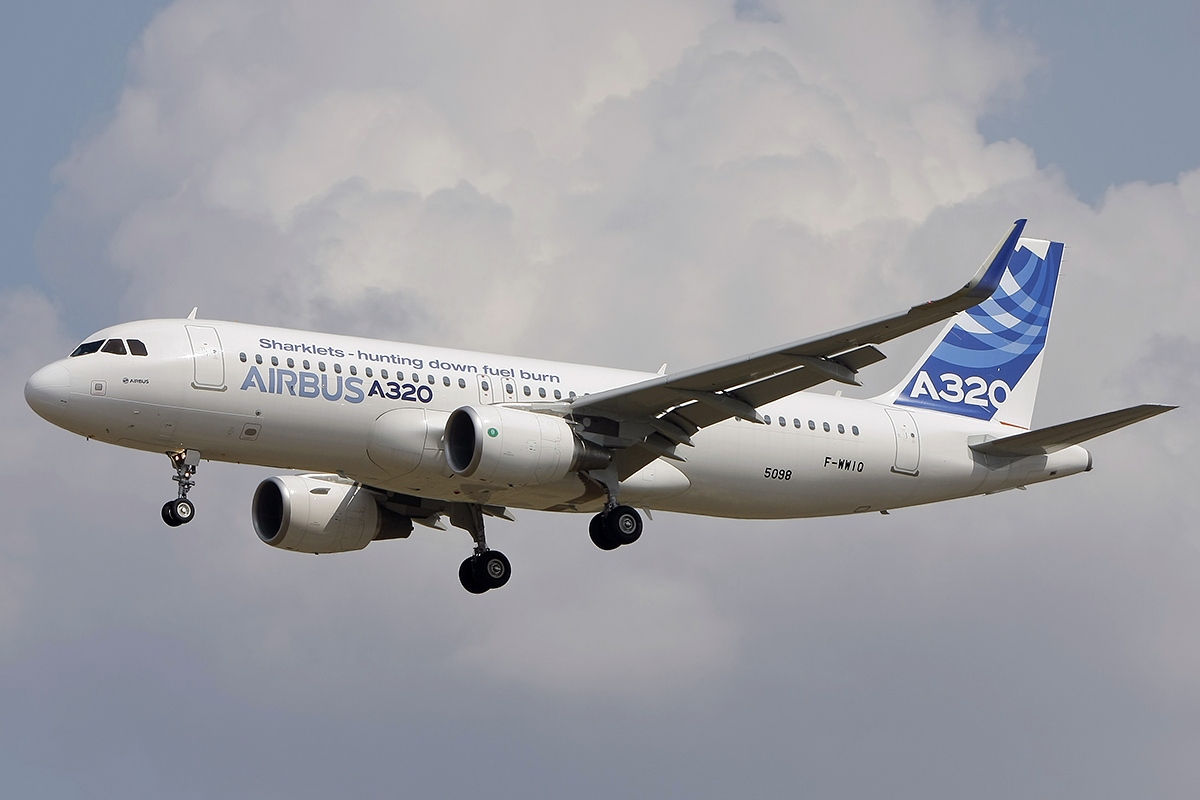
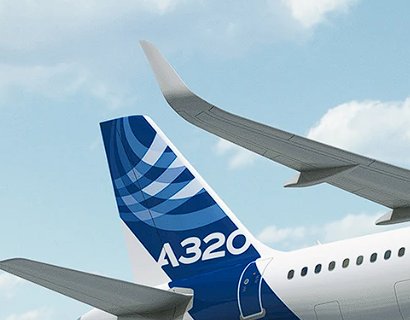
What is an A320?

  • A short-to-medium-haul passenger jet designed by Airbus
  • Single aisle โ€” a "narrow-body" aircraft
  • Used by airlines all over the world โ€” easyJet, British Airways, Wizz Airโ€ฆ
  • Famous for using advanced computers to help pilots and improve safety
  • One of the first airliners with digital fly-by-wire (more on that soonโ€ฆ)
Interactive

The A320 in numbers โ€” tap a card!

โœˆ๏ธ
How many built?
11,000+
The best-selling airliner family in history
โฑ๏ธ
How often does one take off?
Every ~2 sec
Somewhere in the world, an A320 takes off or lands
๐Ÿš€
How fast?
~840 km/h
522 mph ยท 454 knots โ€” Mach 0.78, 8ร— faster than a car on the motorway
โ›ฐ๏ธ
How high?
39,000 ft
๐Ÿง‘โ€๐Ÿคโ€๐Ÿง‘
How many passengers?
Up to 180
That's six full school classes on one plane
โš–๏ธ
How heavy at take-off?
~78 tonnes
About the same as 11 double-decker buses
๐Ÿ“
Wingspan?
35.8 m
Longer than a blue whale โ€” tip to tip
๐ŸŽ‚
First flight?
1987
22 February 1987 โ€” older than your parents think!

The Airbus Philosophy

  • Big emphasis on automation and computer control (fly-by-wire)
  • Pilot inputs are interpreted by computers โ†’ aircraft stays within safe limits
  • Flight envelope protection โ€” the computers help prevent stalls, overspeed and excessive bank
  • Sidestick control โ€” like a gaming joystick, no big yoke in front of you
  • Designed to reduce pilot workload and make flying safer

๐Ÿ’ฌ Think of it like this: the A320 is a plane with a very clever co-pilot built into the walls โ€” it lets you fly, but it's always watching out for you.

Interactive

Label the aircraft โ€” parts you know

Interactive

Advanced components

Interactive

Control surfaces โ€” the moving parts

Video ยท 8 min (watch 2โ€“3)

A real pilot's walkaround

Captain Joe โ€” "Airbus A320 OUTSIDE CHECK" ยท youtube.com/watch?v=tOwE_eQY_uE

Watch forโ€ฆ

  • The pitot tubes you just labelled
  • Looking INSIDE the engine for damage
  • Checking tyres and brakes
  • Why pilots do this before every flight

๐Ÿ’ฌ Discuss: why does a pilot walk around the aircraft when engineers have already checked it?

Engines โ€” piston vs turbofan

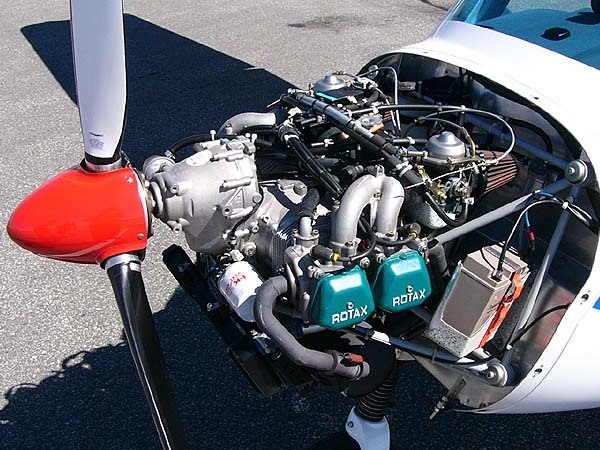
๐Ÿ›ฉ๏ธ Piston engine (small aircraft)

piston engine
  • Like a car engine โ€” pistons turn a propeller
  • Slower, less powerful
VS

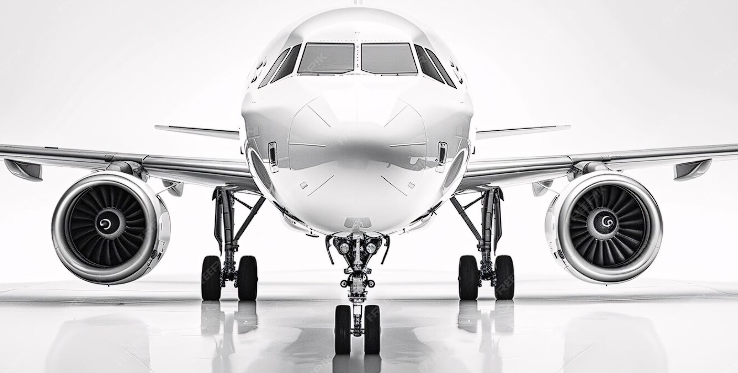
๐Ÿš€ Turbofan (the A320)

turbofan
  • Sucks in air, squeezes it, burns fuel, blasts it out the back
  • Creates thrust โ€” huge forward force
Interactive

How a turbofan works โ€” Suck ยท Squeeze ยท Bang ยท Blow

1 ยท SUCK 2 ยท SQUEEZE 3 ยท BANG 4 ยท BLOW

1 ยท SUCK ๐ŸŒ€

The giant fan pulls in over a tonne of air every second

2 ยท SQUEEZE ๐Ÿค

Compressor blades squash the air smaller and smaller โ€” it gets hot

3 ยท BANG ๐Ÿ”ฅ

Fuel sprays in and burns โ€” the gas expands violently

4 ยท BLOW ๐Ÿ’จ

Hot gas blasts out the back โ†’ thrust pushes the plane forward

Video ยท 5 min

See inside a jet engine

Animagraffs โ€” "How Jet Engines Work" ยท youtube.com/watch?v=L24Wf0VlTE0 ยท Alternative: "How jet engines work (turbofan animation)" youtube.com/watch?v=3gfGdKs9xGM

Watch forโ€ฆ

  • The huge fan = most of the push
  • Air splitting: around the core vs through it
  • Suck โ†’ squeeze โ†’ bang โ†’ blow
  • The turbine spinning the fan

โ“ Quick check after: which part of the engine makes most of the thrust โ€” the burning core or the big fan at the front?

(The fan โ€” about 80%!)

๐Ÿ’ฌ Discussion

A320 vs a tiny microlight โ€”
what's the same?

wing hint
HINT ยท TAP TO REVEAL

๐Ÿชฝ Both have wings that make lift

controls hint
HINT ยท TAP TO REVEAL

๐ŸŽ›๏ธ Both have pitch, roll and yaw controls

engine hint
HINT ยท TAP TO REVEAL

๐Ÿ”ฅ Both have an engine that makes thrust

instruments hint
HINT ยท TAP TO REVEAL

๐Ÿ“Ÿ Both have instruments โ€” speed, altitude, heading

forces hint
HINT ยท TAP TO REVEAL

โš–๏ธ Both obey the four forces โ€” lift, weight, thrust, drag

route hint
HINT ยท TAP TO REVEAL

๐Ÿ—บ๏ธ Both need a pilot who plans the route ahead
checklist hint
HINT ยท TAP TO REVEAL

โœ… Both use checklists before every flight
radio hint
HINT ยท TAP TO REVEAL

๐Ÿ“ป Both talk to air traffic control by radio
runway hint
HINT ยท TAP TO REVEAL

๐Ÿ›ฌ Both take off and land on runways

Let the class shout out ideas first โ€” then use the picture hints and flip to check!

Exercise A

Label the cockpit!

Quiz

Session 1 Quiz โ€” Aircraft Components

โ˜• Break

Back in 15 minutes โ€” Session 2: Inside the Cockpit & Take-off

Session 2

Inside the Cockpit & Take-off

Session 2 Objective

  • Lots of dials and switches โ€” today we only need the core basics
  • We'll be flying manually! No autopilot โ€” real stick-and-thrust flying
  • The key flight instruments are the foundation of everything
  • Don't skip the basics โ€” strong basics make everything else easier
  • Advanced concepts come step-by-step in later badges

๐ŸŽฏ By lunch: you will have taken off in an A320 and climbed away like a real pilot.

Interactive

Welcome to the office โ€” the A320 cockpit

Video ยท 3 min

The cockpit in 3 minutes

JxJ Aviation โ€” "The Displays and Panels in an A320 Cockpit in 3 minutes" ยท Deeper full tour: youtube.com/watch?v=rQurkcjwJ_Y

Watch forโ€ฆ

  • The screens you just labelled
  • How tidy and logical it all is
  • Two pilots share the same screens

๐Ÿ’ฌ Ask after: which screen would you look at to check your speed? (PFD!)

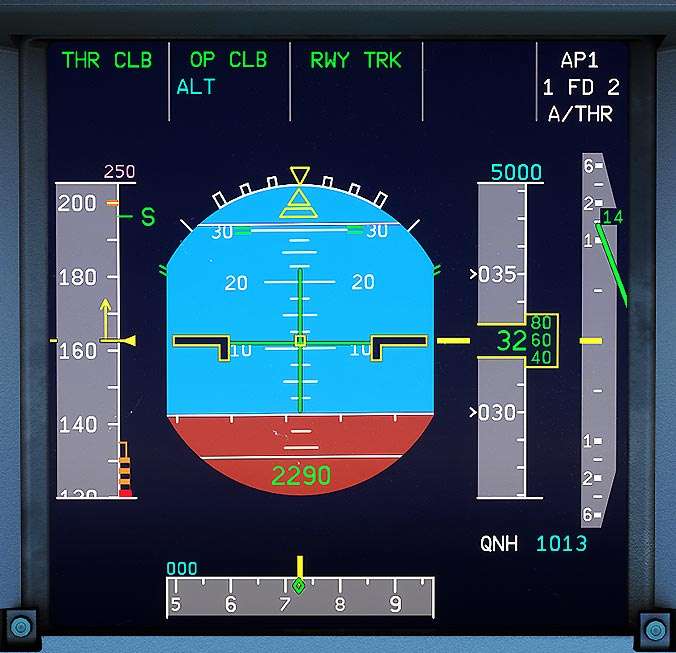
Primary Flight Display (PFD)

PFD

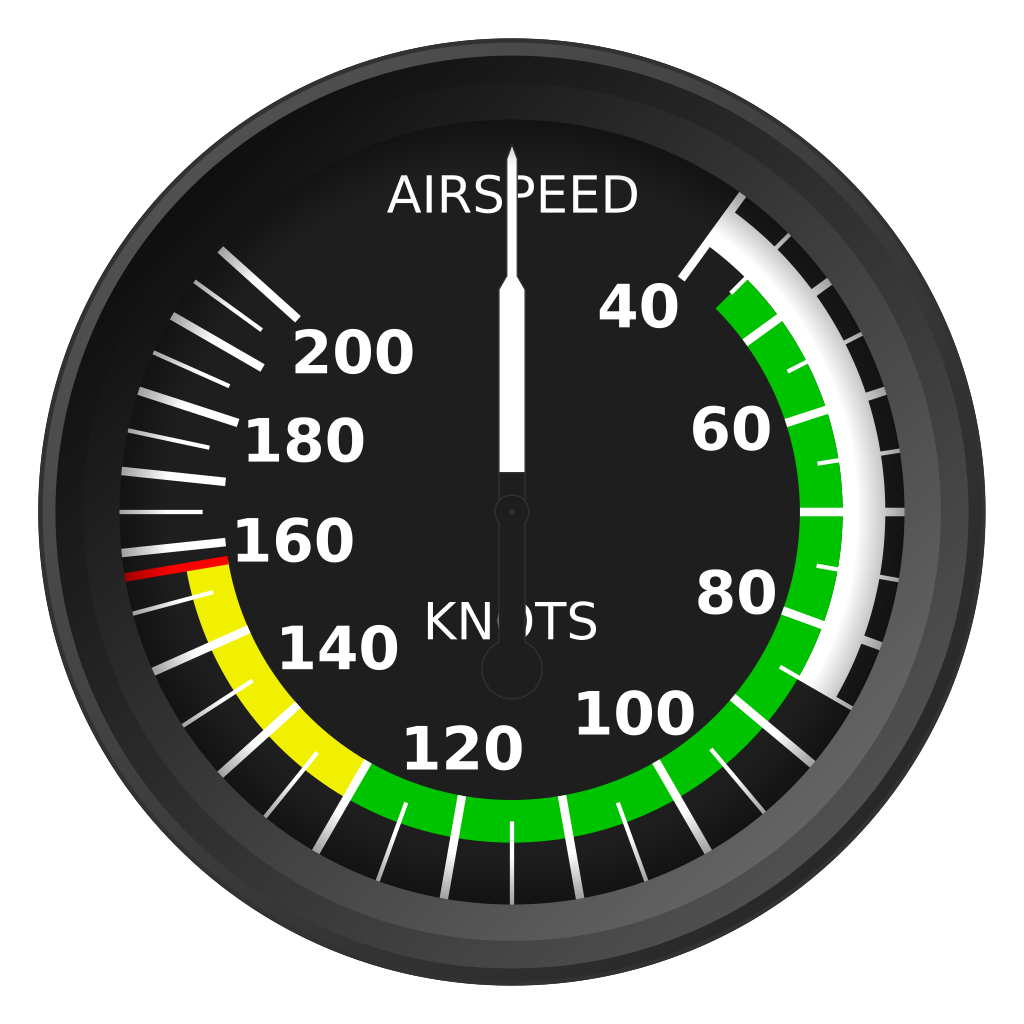
๐Ÿ•ฐ๏ธ One screen replaces six old instruments: airspeed, attitude, altimeter, vertical speed, heading and more.

๐ŸŸฉ GREEN = active  ยท  ๐ŸŸฆ BLUE = armed (waiting)  ยท  โฌœ Box flashing = something is changing

๐Ÿ‘€ Pilots scan this screen constantly โ€” it's the single most important thing in the cockpit.

Next page: explore a live PFD piece by piece โ†’

Interactive

PFD Explorer โ€” click each part

MAN TOGASRSRWY1FD2 148 180160120100 2400 3000270021001800 242730 QNH 1013

โฌ…๏ธ Speed tape

Airspeed in knots. The red zones are too slow / too fast โ€” the yellow line is you, at 148 kts. Watch the numbers roll as we fly!

๐ŸŒ Attitude โ€” the artificial horizon

Blue = sky, brown = ground. The yellow wings are YOUR wings. If blue grows, you're pitching up. If it tilts, you're banking.

โžก๏ธ Altitude tape

Height in feet. Rolling upward = climbing. Your target altitude sits at the top in blue.

โ†•๏ธ Vertical speed

The green needle shows how FAST you're climbing or descending โ€” feet per minute.

๐Ÿงญ Heading

Which way your nose points, 0โ€“360ยฐ. 270 = due west.

๐Ÿ“ข Flight Mode Annunciator

The strip where the aircraft announces what's helping you. Green = active, blue = armed.

๐ŸŒก๏ธ QNH โ€” pressure setting

Altimeters measure air pressure, so pilots must dial in today's local pressure to read the correct height.

Navigation Display (ND)

  • Shows where you are โ€” relative to airports, waypoints and your route
  • Shows which way you're going (heading)
  • Zoom in and out to see more or less of the world
  • Shows the wind arrow โ€” is the wind slowing us down or pushing us along?
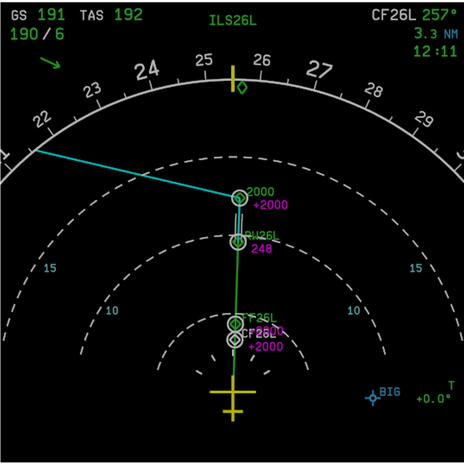
Navigation Display

ECAM โ€” the aircraft's health monitor

Monitors aircraft systems, shows engine info, and alerts pilots if something is wrong. Today you need it for three things:

  • Flaps โ€” what position are they in? (In a C152 you check the flap lever)
  • Parking brake โ€” on or off? (In a C152 you check manually)
  • Engine thrust โ€” are the engines producing power? (In a C152 you read RPM)
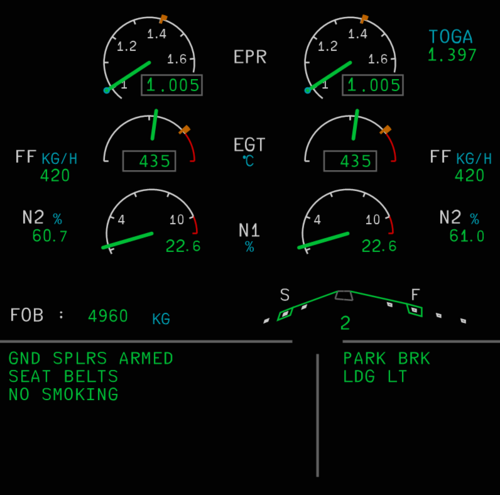
ECAM

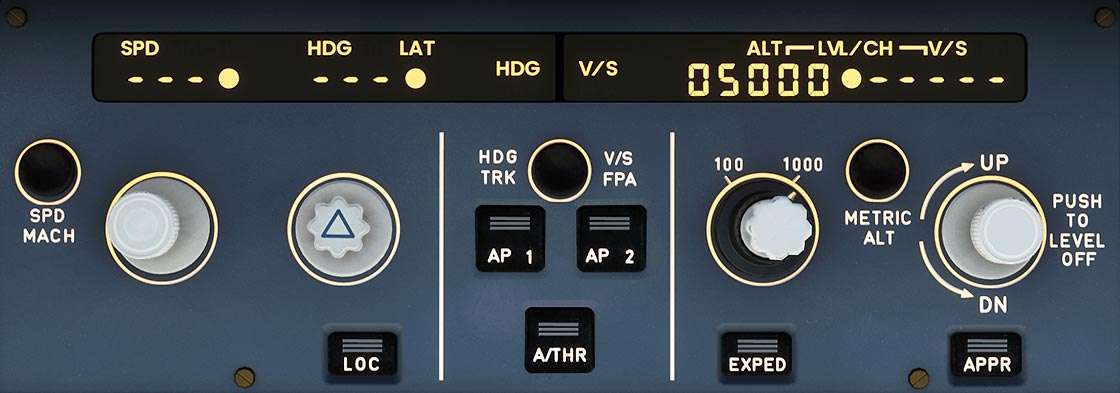
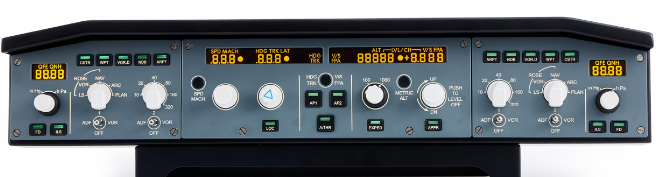
Flight Control Unit (FCU)

FCU
  • The panel on the glareshield where pilots set Speed ยท Heading ยท Altitude targets
  • Each knob can be selected (pilot commands it) or managed (aircraft handles it)
  • Today: just know its name โ€” we're flying manually, so it only displays reference values
Stretch ยท older students

FCU โ€” the clever buttons

FCU
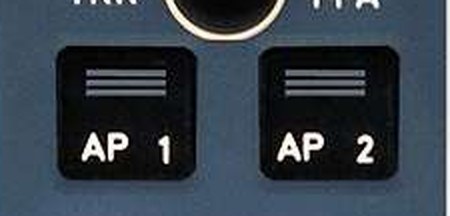
AP1 / AP2
tap to reveal
AP buttons

Engage the autopilots

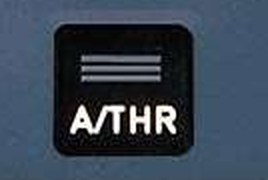
A/THR
tap to reveal
A/THR button

Auto-thrust โ€” computer manages engine power

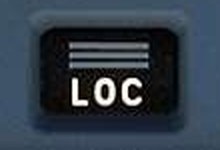
LOC
tap to reveal
LOC button

Line up with the runway centreline

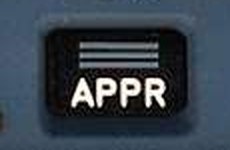
APPR
tap to reveal
APPR button

Approach mode โ€” guides you down to land

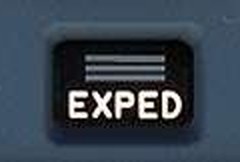
EXPED
tap to reveal
EXPED button

Climb or descend as fast as possible

EFIS Control Unit

  • Zoom the map in and out
  • Show airports and waypoints on the ND
  • Show weather radar
  • Set the air pressure (QNH) so the altimeter reads correctly
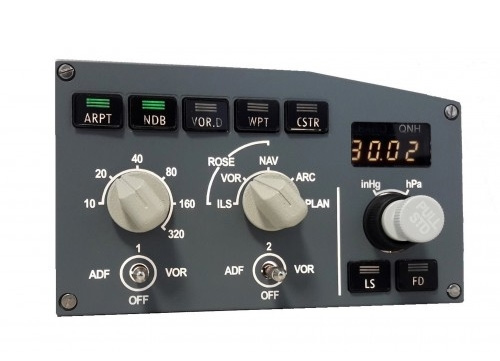
EFIS panel
Interactive

The centre pedestal

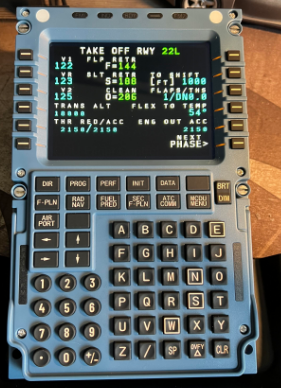
The MCDU โ€” flight computer

  • The aircraft's onboard flight management computer
  • Pilots type in the route, performance data and flight plan
  • Works together with autopilot, auto-thrust and navigation
  • Today we keep it simple โ€” basics only!
MCDU
Interactive

Thrust levers โ€” click the detents

TOGA
FLX
CL
IDLE

TOGA โ€” Take-Off / Go-Around

Full power! Used for take-offโ€ฆ and for climbing away fast if a landing must be abandoned.

FLX / MCT โ€” Flexible power

A gentler, engine-saving take-off power used on long runways. (Detail for later badges.)

CL โ€” Climb

Where the levers live for almost the whole flight. The computers fine-tune the power from here.

IDLE

Minimum power โ€” engines just ticking over. Used for descent and after landing.
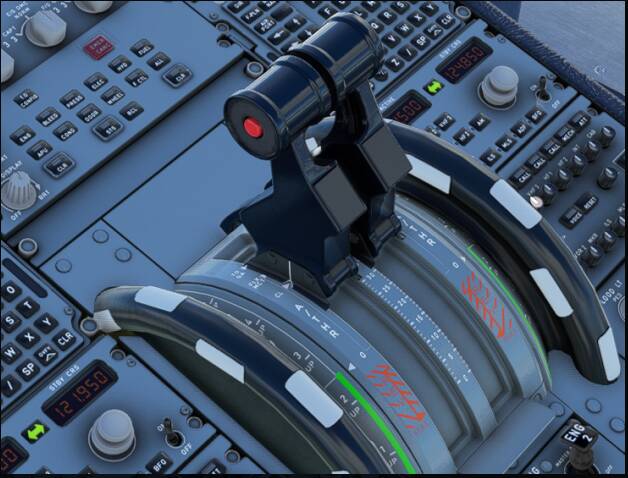
thrust levers photo

The overhead panel

Lots of buttons โ€” but each panel has one specific job. Basics for today:

  • We need electrical power
  • The APU starts the engines โ€” like a starter motor in a car
  • Lights โ€” landing lights, strobes, cabin signs
  • Most switches should be off/dark in normal flight
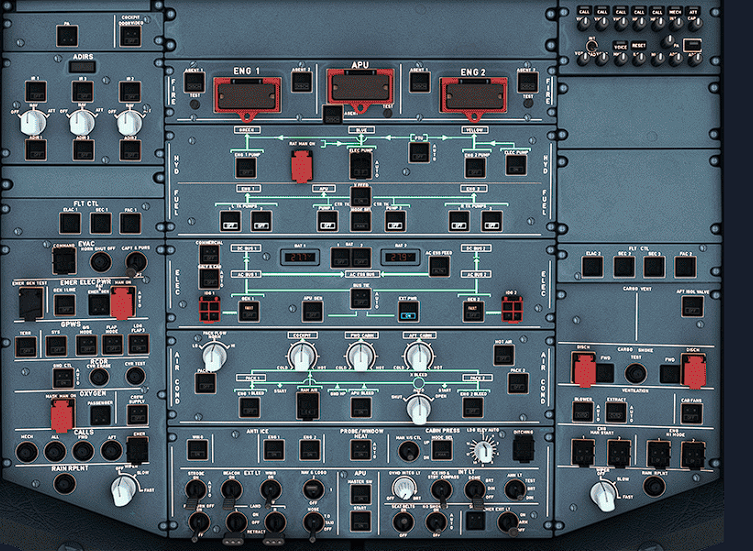
overhead panel

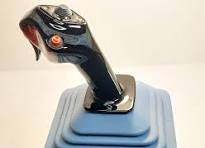
The sidestick

sidestick
  • The pilots' primary control for manual flight
  • Spring-loaded โ€” returns to centre when you let go
  • No feedback from the control surfaces โ€” pure fly-by-wire
  • When autopilot flies, the sticks stay still
  • Just like your sim joystick!

What is fly-by-wire?

๐Ÿ•น๏ธ Fly-by-wire (A320)

  • Pilot moves the sidestick
  • Electrical signals go to computers
  • Computers decide how the aircraft should move
  • Computers move the control surfaces
VS

๐Ÿ”— Classical (C152, C42, Pipistrel)

  • Pilot directly moves the controls via cables/hydraulics
  • Control feel changes naturally with speed and airflow
  • What you flew in Wings!

Try the difference yourself on the next page โ†’

Interactive

Fly-by-wire protection demo

๐Ÿ•น๏ธ Your sidestick (roll)

Drag hard left or right โ€” then let go!

Envelope protection
ON โ€” Airbus normal law

With protection ON, the computers refuse to bank beyond 67ยฐ no matter how hard you pull. Switch it OFF to feel the difference!

0ยฐ bank
NORMAL FLIGHT
Video ยท 6 min (watch 2โ€“3)

Fly-by-wire โ€” explained by a pilot

RobT Cockpit Videos โ€” "Airbus A320 Fly-by-Wire logic explained" ยท Sidestick deep-dive: youtube.com/watch?v=jDZRtLzK76M

Watch forโ€ฆ

  • Sidestick โ†’ computer โ†’ control surface
  • The protections you just played with
  • Why pilots trust the system

๐Ÿ’ฌ Debate for older groups: should the computer EVER overrule the pilot? When?

Today we fly manually!

  • Autopilot (AP1/AP2) โ†’ OFF
  • Flight Directors (FD) โ†’ OFF โ€” raw manual flying
  • Speed / heading / altitude shown for reference only
  • YOU control the aircraft โ€” sidestick + thrust levers
FCU AP off

๐ŸŽฏ Our goal today is learning to fly โ€” autopilot is a course for another day!

Session 2 so far

  • โœ… Covered the aircraft components
  • โœ… Reviewed the key parts of the cockpit
  • โœ… Understood the flight displays โ€” PFD, ND, ECAM
  • โœ… Met the sidestick, thrust levers and fly-by-wire

๐Ÿ›ซ Now the fun part โ€” let's take off!

SIM Exercise

Take-off โ€” step by step (tick as you go)

Game

Take-off challenge โ€” nail your rotation!

SPEED
0
KTS
100 โ€” cross-check
V1 ยท 140 โ€” committed!
VR ยท 145 โ€” rotate
Video

A real A320 take-off โ€” pilot's view

Aviation Attract โ€” "PILOT EYE VIEW: A320 Takeoff" ยท Bonus: 360ยฐ cockpit take-off (drag to look around!) youtube.com/watch?v=cWNpCNm80DU

Watch forโ€ฆ

  • Thrust levers clicking into TOGA
  • The exact steps YOU just did
  • "One hundred knots" call
  • Smooth, gentle rotation

๐ŸŒŸ Bonus: drag the camera around the cockpit mid-take-off โ€” brilliant on a touchscreen.

๐ŸŽฅ Watch the 360ยฐ take-off

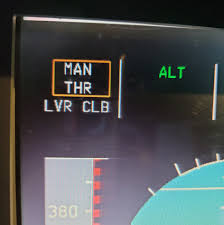
LVR CLB โ€” the flashing reminder

  • After take-off, LVR CLB flashes on the PFD
  • It's reminding you: full power was for take-off โ€” pull back to CL (climb) detent now
  • Like changing out of first gear once you're moving!
  • Pilots set a "thrust reduction altitude" โ€” often ~1,500โ€“2,000 ft โ€” that's when it flashes
LVR CLB

Managing speed โ€” A/THR off

A/THR ON (not today)

  • Computer adjusts engine power to hold your target speed
  • Levers stay parked in CL
  • Pilot still steers

A/THR OFF (us, today!)

  • You control power with the thrust levers
  • More thrust โ†’ faster
  • Nose up โ†’ slower ยท Nose down โ†’ faster
  • Speed = thrust + pitch working together

๐ŸŽฏ Sim task: settle the aircraft at 220 knots in the climb

Interactive

Cleaning up โ€” flap retraction

As speed builds after take-off, retract the flaps step by step: Flaps 2 โ†’ 1 โ†’ 0. Gear up + flaps up = a "clean" aircraft. Drag the speed slider:

TOO SLOW โ€” keep flaps out!
FLAPS 2 โ†’ 1
FLAPS 1 โ†’ 0
CLEAN โœ“
155 kts
FLAPS 2
Climbing away after take-offโ€ฆ

๐Ÿ‘€ In the sim, watch the red and amber bands on the speed tape move as flaps retract โ€” the safe speed range changes with every setting!

Session 2 Recap

  • โœ… Learned the cockpit layout โ€” PFD, ND, ECAM, FCU, pedestal
  • โœ… Focused on the sections needed for manual flight
  • โœ… Performed a take-off and cleaned up the aircraft
  • โœ… Set our climb speed

๐Ÿฅช Lunch! Back at 1:15 for cruise and turns.

Quiz

Session 2 Quiz โ€” Cockpit & Take-off

Session 3

Cruise and Turns

Cruise โ€” level off & hold steady

  • Reaching cruise altitude โ†’ level off โ€” lower the nose to the horizon
  • Hold 250 knots
  • Fly straight and level โ€” wings level, altitude steady
  • Scan the PFD and ND regularly โ€” speed ยท altitude ยท heading
  • Keep the aircraft balanced and stable โ€” small corrections early

๐Ÿง˜ Good pilots look calm because they make tiny corrections constantly โ€” not big corrections occasionally.

SIM Exercise

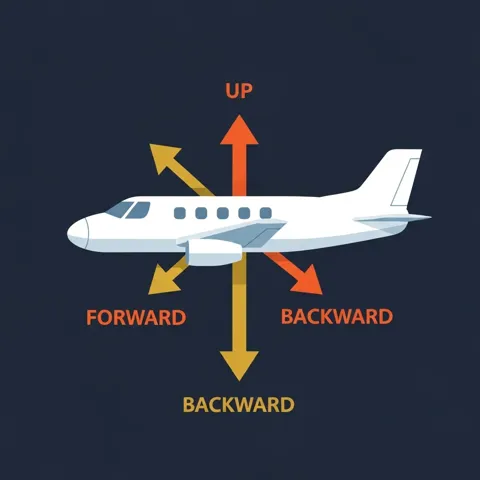
Control practice โ€” pitch & roll

โ†•๏ธ Pitch exercises

  • Gently raise the nose โ€” watch the climb begin
  • Lower slightly โ€” descend
  • Notice pitch changing altitude AND speed
  • Smooth, small corrections

โ†ฉ๏ธ Roll exercises

  • Bank left to 15ยฐ โ€” hold it
  • Roll smoothly back to wings level
  • Bank right to 15ยฐ
  • Hold a steady heading after rollout

๐Ÿ”‘ Key learning: small inputs = smooth flying. Big sudden inputs = wobbly flying. The fly-by-wire computers are helping you the whole time!

Quiz

Session 3 Quiz โ€” Cruise & Turns

Session 4

Descent, Approach & Landing Technique

Descent = planning ahead!

  • 1 ยท Reduce thrust โ€” the aircraft starts descending
  • 2 ยท Adjust pitch โ€” sidestick controls your descent rate
  • 3 ยท Monitor โ€” vertical speed, altitude, speed

โš ๏ธ Jets are slippery! Start down early โ€” if you wait too long you'll arrive too fast AND too high.
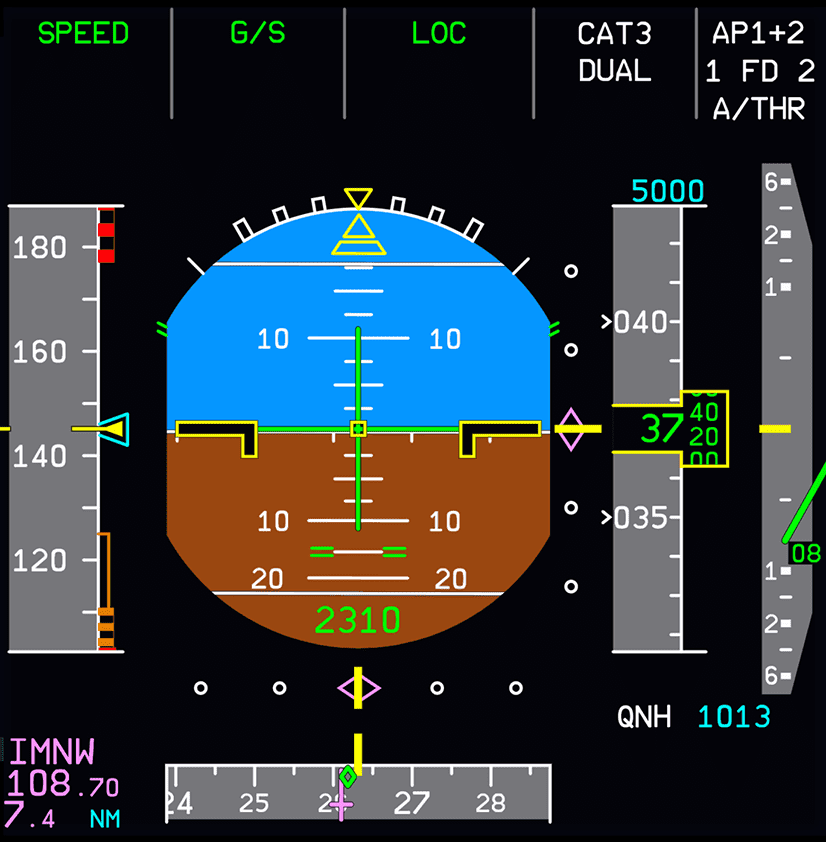
descent

The approach

  • Goal: guide the aircraft down toward the runway โ€” stable and controlled
  • Choose your runway and line up
  • Slow down โ€” flaps out step by step
  • Aim for 140โ€“150 knots
  • Keep the runway visually steady in the window
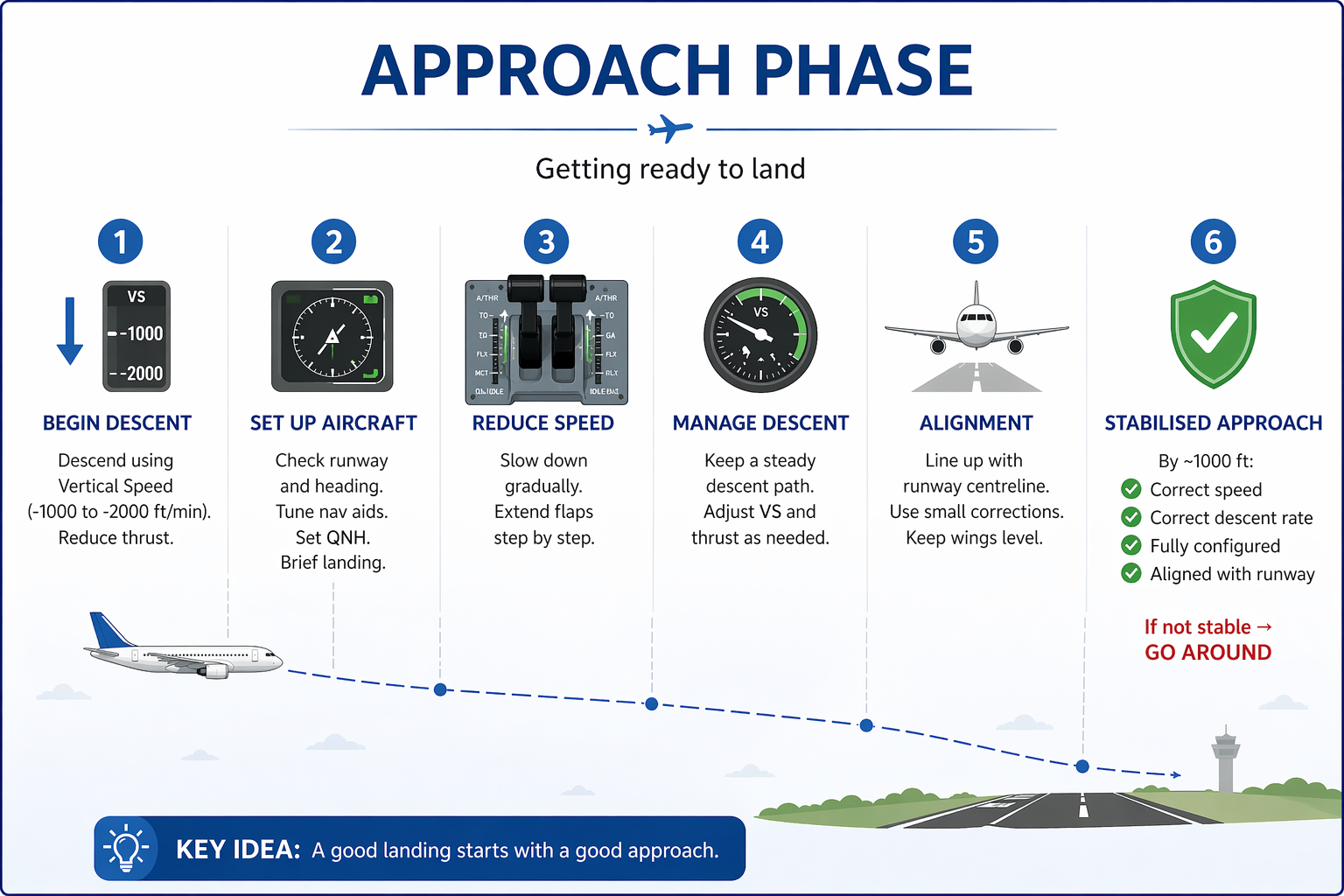
approach

The landing

  • Cross the runway threshold at ~140 kts, gear down, flaps FULL
  • At ~30 ft: flare โ€” raise the nose slightly to soften the touchdown
  • The aircraft calls "RETARD, RETARD" โ€” your reminder to close the thrust levers to IDLE
  • Touch down on the main wheels first, then lower the nose gently
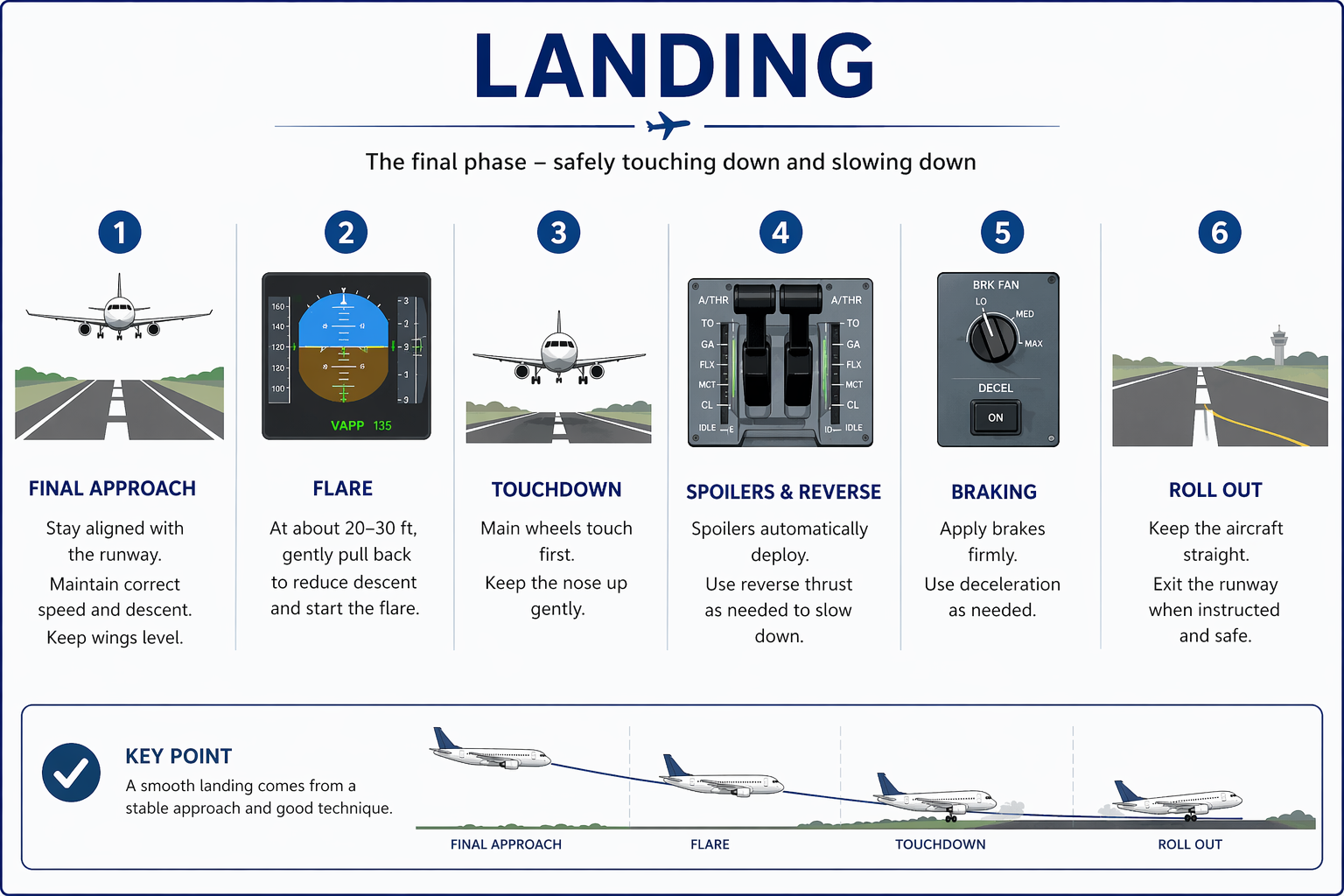
landing
Video ยท 4 min

Hear it live โ€” "RETARD, RETARD"

Air-Clips โ€” "SIX Retard Callouts: Lufthansa A320 SOFTEST EVER Landing in Munich" ยท The same Lufthansa livery as our Session 1 aircraft!

Watch forโ€ฆ

  • The runway staying steady in the windscreen
  • The flare โ€” nose lifts just before touchdown
  • "RETARD, RETARD" โ€” count the callouts!
  • How gently the wheels kiss the runway

๐Ÿ† Challenge: after watching โ€” can YOU land it that smoothly in the sim?

Quiz

Session 4 Quiz โ€” Approach & Landing

Session 5

Your End-to-End Flight

Take-off โ†’ Climb โ†’ Cruise โ†’ Descent โ†’ Landing.
All you. Start to finish.

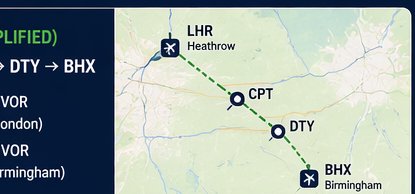
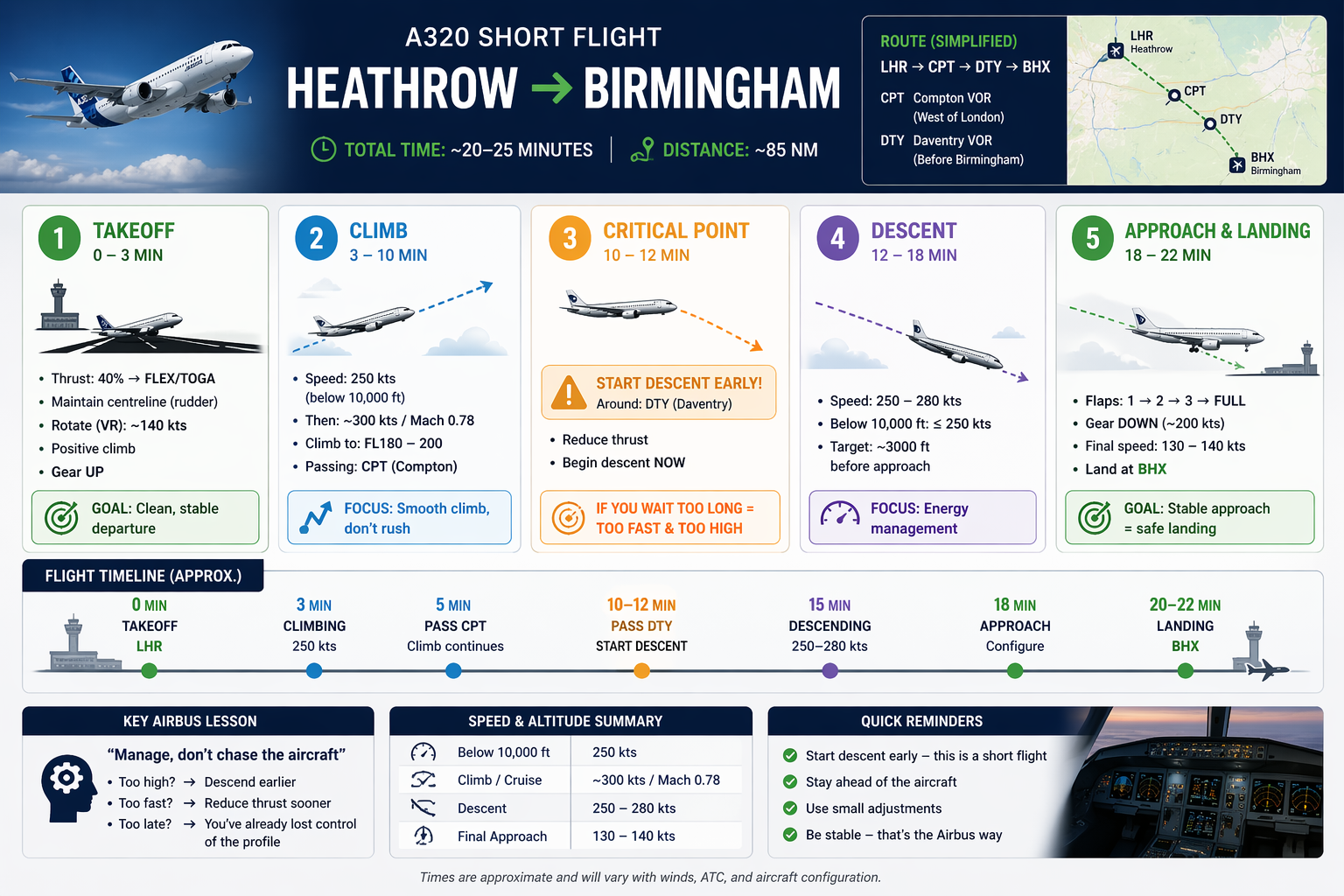
A320 short flight Heathrow to Birmingham route card
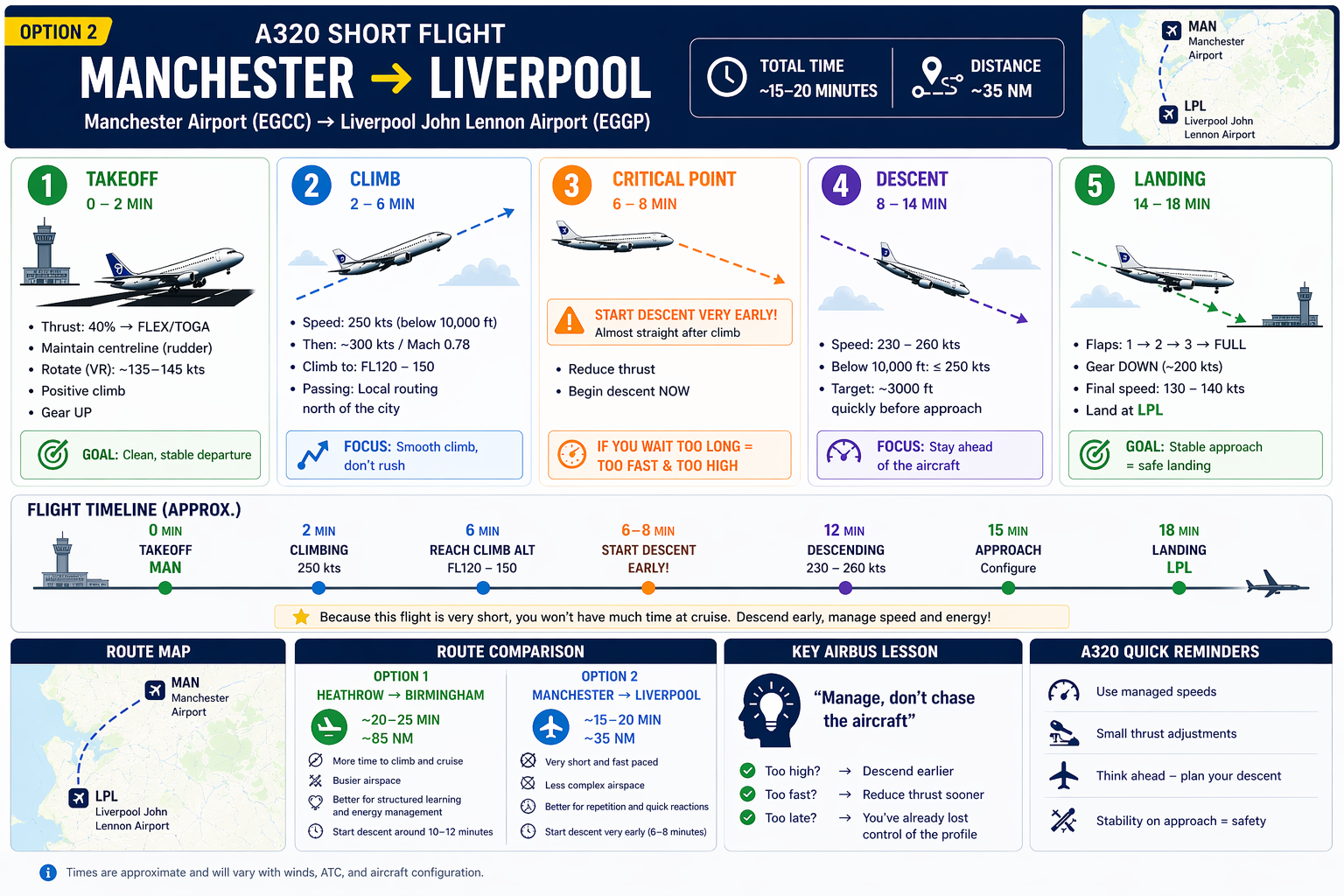
A320 short flight Manchester to Liverpool route card
If time allows

Optional activities

๐ŸŒ™ Cold & dark start

Begin with a completely dead aircraft โ€” batteries, APU, engines. Bring it to life like a real crew at 6am.

โŒจ๏ธ Program the MCDU

Type a simple flight plan into the flight computer โ€” departure, arrival, route.

๐Ÿ” Fly it again

Swap routes, add gentle crosswind, or race for the smoothest landing score.

Subject to instructor capacity โ€” these are bonus material, not required for Badge 1.

๐Ÿ… Badge 1 Complete!

Today you learned the aircraft, mastered the cockpit basics,
and flew an Airbus A320 from take-off to landing โ€” manually.

๐ŸŽ–๏ธ Next: A320 Wings
10 lessons, deeper skills

๐Ÿš€ Badge 2+
Autopilot, flight plans, approaches

๐Ÿ›ซ Simulator partnerships
Fly the big full-motion sims

Controls

โ† โ†’ or SpacePrevious / next page
GGrid of all pages (jump anywhere)
IInstructor mode โ€” gold tip panels on/off
FFullscreen
Home / EndFirst / last page
EscClose overlays

Progress is per-page in the address bar โ€” bookmark or share #page numbers. Videos need internet; everything else is fully offline.